

If you have ever paused while writing and wondered whether to type dysregulated vs disregulated, you are in very good company. Writers, students, healthcare professionals, and everyday readers wrestle with this exact question more often than you might think. These two words look nearly identical, share overlapping meanings, and both appear in published writing. So how do you know which one is right?
The short answer is this: dysregulated vs disregulated is not just a spelling debate. It is a question of precision, context, and intended meaning. The prefix you choose changes the nuance of your sentence, especially in medical, psychological, and scientific writing.
In this complete guide, you will learn the exact definitions of both words, see clear sentence examples, understand the most common mistakes writers make, and walk away confident about using each term correctly. Whether you are writing a research paper, a clinical note, or an everyday piece of content, understanding dysregulated vs disregulated will sharpen your language and boost your credibility.
Define Dysregulated
The word dysregulated comes from the Greek prefix dys, meaning bad, abnormal, or impaired, combined with the word regulated. Together, the term describes a system, process, or behavior that is functioning abnormally or not functioning as it should.
When something is dysregulated, it still has a regulatory mechanism in place, but that mechanism is not working correctly. Think of it like a thermostat that is still running but giving wrong readings. The system is active but faulty.
In medicine and psychology, dysregulated is one of the most widely used clinical terms. Emotional dysregulation, for example, refers to an inability to manage emotional responses in a proportionate or socially appropriate way. A person experiencing emotional dysregulation may feel overwhelming sadness, sudden bursts of anger, or intense anxiety that seems out of proportion to the situation at hand.
Here is a quick breakdown of what dysregulated covers:
- Biological systems: A dysregulated immune system mistakenly attacks the body’s own tissues, as seen in autoimmune conditions.
- Hormonal processes: Dysregulated cortisol levels caused by chronic stress can negatively affect sleep, weight, and mental health.
- Emotional behavior: Children with ADHD often show dysregulated behavior, meaning their impulse control or emotional intensity is out of balance.
- Neurological function: Dysregulated neural pathways can contribute to conditions like PTSD, bipolar disorder, and borderline personality disorder.
The word dysregulated suggests that something went wrong internally. The system was supposed to regulate itself, but the internal controls have broken down or are functioning improperly.
Part of speech: Adjective (past participle used as adjective) Origin: Greek prefix dys + Latin regulatus (to control or direct) Common fields: Medicine, psychology, neuroscience, biology
Define Disregulated
The word disregulated uses the Latin prefix dis, which typically means not, opposite of, or removal of. When something is disregulated, it suggests that a regulatory framework has been removed, bypassed, or has failed to maintain control.
While dysregulated points to an internal malfunction, disregulated more often points to a breakdown or absence of external control. Think of it as a system that no longer has a governing structure, rather than one that has a faulty internal mechanism.
The distinction is subtle but real. In social and economic contexts, disregulated markets are those where governmental oversight has been reduced or eliminated. In medical writing, disregulated blood sugar may indicate that the body has lost its ability to maintain glucose balance altogether.
Here is a quick overview of what disregulated covers:
- Economic and policy contexts: A disregulated industry is one where regulatory rules have been lifted or reduced.
- Physiological processes: Disregulated blood pressure may indicate that the body’s stabilizing mechanisms have broken down.
- Social systems: Disregulated behavior in a social context refers to actions that occur outside the bounds of expected norms or controls.
It is worth noting that in casual and everyday writing, dysregulated vs disregulated are often used interchangeably. Many readers will understand your meaning regardless of which you choose. However, in formal, clinical, or academic writing, choosing the correct term matters significantly.
Part of speech: Adjective (past participle used as adjective) Origin: Latin prefix dis + regulatus (to control or direct) Common fields: Policy, economics, physiology, social science
Quick Comparison Table: Dysregulated vs Disregulated
| Feature | Dysregulated | Disregulated |
| Prefix origin | Greek dys (abnormal, impaired) | Latin dis (not, removal of) |
| Core meaning | System functions abnormally | Regulation is absent or removed |
| Common usage | Medicine, psychology, neuroscience | Policy, economics, social contexts |
| Internal or external | Internal malfunction | External control breakdown |
| Preferred in clinical writing | Yes, strongly preferred | Less common in clinical settings |
| Example | Dysregulated cortisol levels | Disregulated financial markets |
How To Properly Use The Words In A Sentence
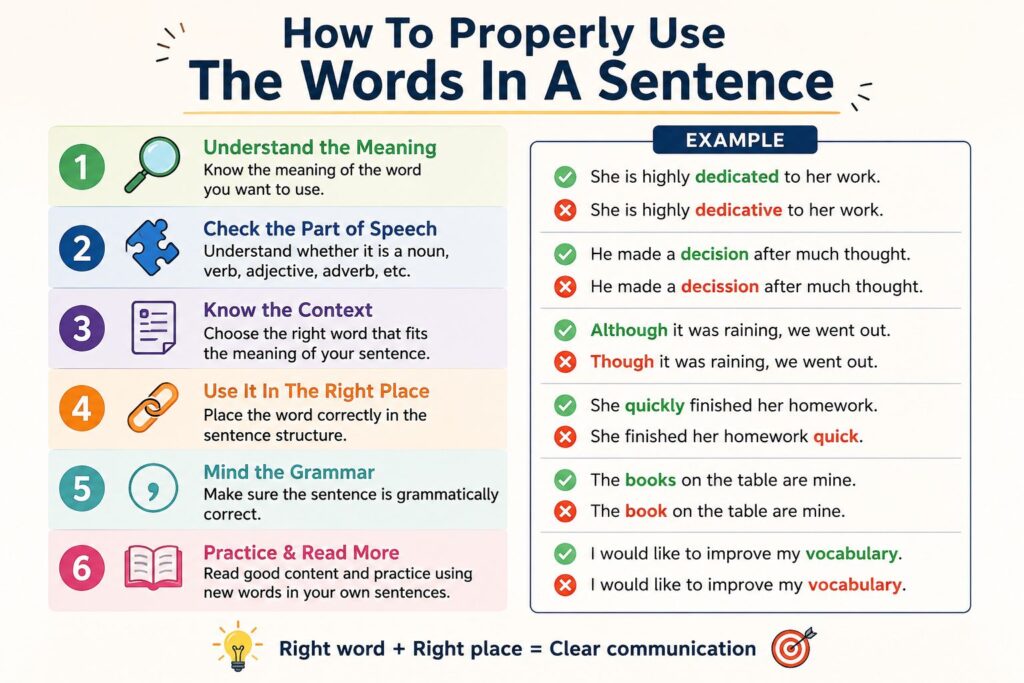
Understanding the definitions of dysregulated vs disregulated is only half the task. Knowing how to apply them in real sentences is where the knowledge becomes practical. Here is a guide to using both words correctly.
How To Use Dysregulated In A Sentence
Use dysregulated when describing a biological, emotional, or physiological system that has an internal mechanism but that mechanism is not functioning properly. The system still tries to regulate itself, but something has gone wrong in the process.
Ask yourself: Is this system supposed to self-regulate, but failing to do so?
If the answer is yes, dysregulated is your word.
Sentence construction tips:
- Place dysregulated directly before the noun it modifies: “dysregulated emotions,” “dysregulated sleep,” “dysregulated hormones.”
- You can also use it after a linking verb: “Her immune response was dysregulated.”
- In clinical writing, pair it with specific systems: “dysregulated HPA axis activity” or “dysregulated dopamine pathways.”
How To Use Disregulated In A Sentence
Use disregulated when describing a system, market, or process where external oversight or governing control has been weakened, removed, or has simply failed.
Ask yourself: Has the regulatory framework around this system collapsed or been taken away?
If yes, disregulated fits better.
Sentence construction tips:
- Use it to describe external systems: “disregulated market,” “disregulated oversight,” “disregulated policies.”
- It also works in medical writing when emphasizing loss of control rather than malfunction: “disregulated glucose metabolism.”
- In social writing, use it to describe breakdowns in expected order or control: “disregulated group behavior.”
More Examples Of Dysregulated & Disregulated Used In Sentences
Seeing words in context is one of the fastest ways to absorb their correct usage. The following examples cover a wide range of topics to show how dysregulated vs disregulated each function in real sentences.
Examples Of Using Dysregulated In A Sentence
- Children diagnosed with ADHD often exhibit dysregulated behavior, making it difficult for them to stay focused or manage their reactions in the classroom.
- Prolonged exposure to trauma can lead to dysregulated stress responses, leaving the nervous system in a near-constant state of alertness.
- The patient presented with dysregulated sleep patterns, cycling between insomnia and excessive fatigue throughout the week.
- Research suggests that dysregulated cortisol production is directly linked to chronic anxiety and burnout in adults.
- People with borderline personality disorder frequently experience dysregulated emotions, making everyday interactions feel overwhelming.
- A dysregulated immune system may begin attacking the body’s own healthy tissue, leading to autoimmune disorders.
- The adolescent showed signs of dysregulated eating behavior following months of emotional stress at home.
- Chronic inflammation is often a symptom of dysregulated cellular signaling in the body.
- Her dysregulated mood swings were traced back to an underlying thyroid imbalance.
- The study examined how dysregulated dopamine activity contributes to reward-seeking behavior in addiction.
Examples Of Using Disregulated In A Sentence
- The removal of oversight led to a fully disregulated financial sector that struggled to maintain investor confidence.
- Critics argued that disregulated energy markets would expose consumers to price volatility and reduced protections.
- The patient’s disregulated blood sugar levels required immediate medical attention to prevent a diabetic crisis.
- Once the governing rules were lifted, the disregulated industry saw both rapid growth and significant ethical concerns.
- A disregulated trade environment created uncertainty for small businesses relying on stable import costs.
- The scientist noted that disregulated enzyme activity in the liver was contributing to the patient’s metabolic disorder.
- Lawmakers debated whether a disregulated telecommunications industry would ultimately benefit or harm end users.
- The study found that disregulated inflammatory pathways in the gut were connected to several chronic digestive conditions.
Common Mistakes To Avoid
Even experienced writers make errors when navigating dysregulated vs disregulated. Being aware of these mistakes ahead of time can save you from weakening your writing or losing credibility in professional settings.
Highlighting Common Mistakes
Mistake 1: Using disregulated in clinical or psychological writing The most frequent error is using disregulated in contexts that clearly call for dysregulated. Medical and psychological literature overwhelmingly prefers dysregulated because it accurately reflects internal malfunction rather than external removal of control.
Wrong: “The patient had a disregulated nervous system response.” Right: “The patient had a dysregulated nervous system response.”
Mistake 2: Treating both words as completely interchangeable While some overlap exists, assuming these words are always interchangeable leads to imprecise communication. In formal writing, the distinction matters.
Mistake 3: Misspelling both words entirely A common writing error involves dropping a letter or reversing letters, producing forms like dysregualted, disregualted, or disregulatd. Always proofread carefully.
Mistake 4: Overusing either word Writers sometimes stack the word in every sentence, which dilutes its impact. Use it when it is the most precise choice, not simply as a habit.
Mistake 5: Applying dysregulated to external policy or economic systems When discussing markets, laws, or governance structures, disregulated is more accurate. Using dysregulated in those settings sounds slightly off to informed readers.
Tips To Avoid Making These Mistakes
- Identify the system type first. Is it biological, emotional, or neurological? Use dysregulated. Is it a policy, market, or external structure? Use disregulated.
- Read the sentence aloud. Often your ear will catch an error that your eyes miss.
- Keep a reference nearby. A short glossary of medical or academic word choices can reduce errors significantly.
- Check the prefix meaning. Remind yourself that dys means impaired function, while dis means absence or removal of something. That single mental check usually points you to the right word.
- Review similar published content. Looking at peer-reviewed sources or credible health websites quickly shows which term is standard in your field.
Context Matters
One of the most important things to understand about dysregulated vs disregulated is that the right choice often depends entirely on what you are writing about and who your audience is.
Dependent On Context
In clinical psychology, dysregulated dominates. In economic writing, disregulated is more natural. In general health content written for wide audiences, both words appear, though dysregulated remains more common overall. The context of your writing shapes which word communicates your meaning most clearly and professionally.
Examples Of Different Contexts
Medical context: A neurologist writing about brain function would write: “The patient showed dysregulated activity in the prefrontal cortex following the traumatic injury.”
Economic or policy context: A financial journalist would write: “The newly disregulated banking sector faced scrutiny from independent watchdog groups.”
Mental health context: A therapist documenting a session might write: “The client continues to struggle with dysregulated emotional responses, particularly in high-stress situations.”
Scientific research context: A biologist publishing a study might write: “We observed dysregulated gene expression in the tumor samples compared to healthy tissue.”
Social behavior context: An educator writing about classroom dynamics might note: “Students in the group showed disregulated behavior patterns following the disruption to their routine.”
As you can see, the surrounding subject matter is the clearest guide to which word belongs in the sentence.
Exceptions To The Rules
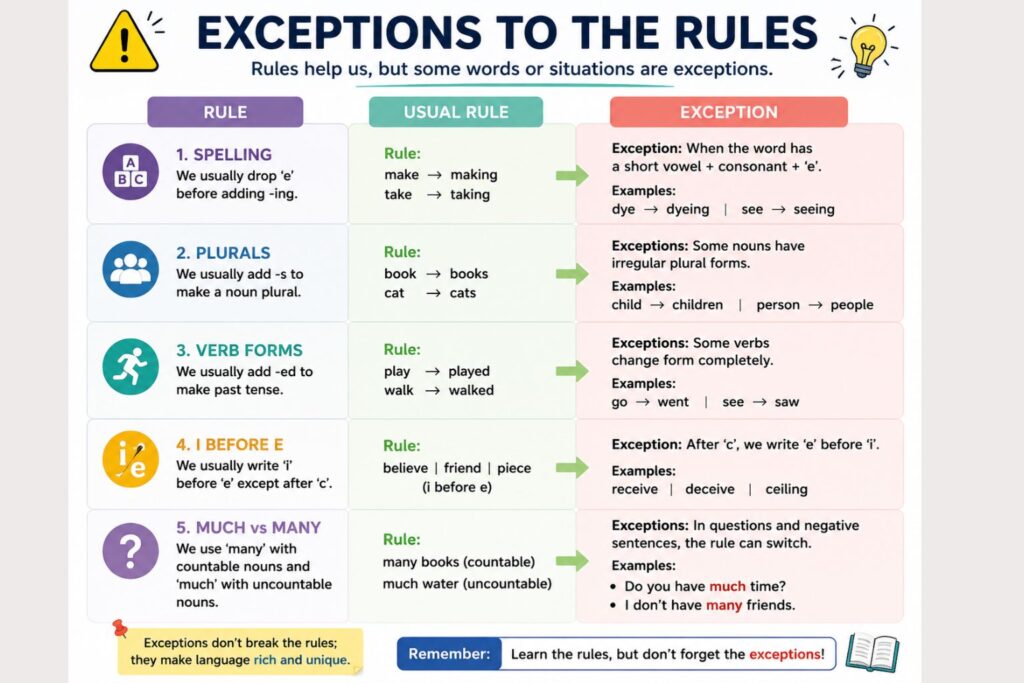
No grammar or vocabulary rule is completely without exception. The dysregulated vs disregulated distinction is generally clear, but there are situations where the lines blur.
Medical Terminology
In some older medical texts and certain regional publishing traditions, disregulated appears in places where contemporary clinical writing would use dysregulated. If you are referencing older literature, you may encounter disregulated immune function or disregulated hormonal pathways, even though modern usage strongly favors dysregulated in those contexts.
Regional Variations
British English and American English both accept both terms, but the frequency of use varies. Some British medical journals show slightly different usage patterns than American publications. If you are writing for a specific international audience or journal, reviewing their style guide is always a smart step.
Contextual Use
In creative writing, journalism, and informal content, strict adherence to the prefix distinction is less critical. A blog post or news article discussing emotional health can use either word without the precision required in a clinical case study. Readers of general content are more focused on meaning than on prefix accuracy.
Practice Exercises
The best way to lock in your understanding of dysregulated vs disregulated is to practice using them. Work through these exercises on your own, then review the answer notes below each one.
Exercise 1
Fill in the blank with either dysregulated or disregulated:
- The therapist noted that the child had __________ emotional responses after the sudden change in family circumstances.
- Following the policy reforms, the previously strict industry became __________, allowing new competitors to enter freely.
- Researchers found __________ cortisol cycles in participants who reported chronic sleep deprivation.
- The financial watchdog warned that __________ lending practices were putting consumers at serious risk.
Answer guidance:
- dysregulated (internal emotional system malfunction)
- disregulated (external regulatory structure removed)
- dysregulated (biological process not functioning normally)
- disregulated (external oversight reduced or absent)
Exercise 2
Identify and correct the error in each sentence:
- “The disregulated nervous system response made it hard for the veteran to function in public spaces.”
- “After the government lifted its controls, the dysregulated utilities market led to price spikes.”
Answer guidance:
- Should be dysregulated. The nervous system is a biological internal mechanism.
- Should be disregulated. The utilities market is an external system with governing oversight.
Exercise 3
Write two original sentences, one using dysregulated and one using disregulated, based on a topic of your choice.
This open-ended exercise helps you apply the distinction in your own language. Try writing about topics such as mental health, economics, biology, or education. Review your sentences by asking: Is this an internal mechanism (dysregulated) or an external control structure (disregulated)?
Conclusion
The debate between dysregulated vs disregulated is one that trips up even skilled writers. But once you understand the core distinction, the choice becomes much more intuitive. Use dysregulated when describing an internal system, biological process, or emotional state that is not functioning properly. Use disregulated when the focus is on external oversight being removed, absent, or broken down.
In clinical, psychological, and medical writing, dysregulated is by far the preferred and more precise term. In policy, economic, and social writing, disregulated fits more naturally. For general writing, understanding this core difference will sharpen your work and build trust with your readers.
Language precision is a form of respect for your audience. Whether you are writing a health article, a research paper, or an everyday blog post, choosing between dysregulated vs disregulated carefully signals that you understand your subject. Now that you have this knowledge, apply it with confidence.
Key Takeaways
- Dysregulated uses the Greek prefix dys, pointing to abnormal or impaired internal function.
- Disregulated uses the Latin prefix dis, pointing to the absence or removal of external regulation.
- In medicine and psychology, dysregulated is the standard and preferred term.
- In economics, policy, and governance, disregulated is the more natural fit.
- Both words describe a loss of proper control, but they differ in whether that loss is internal or external.
- Mixing the two words up in formal writing can reduce your credibility with specialized audiences.
- Context is the clearest guide: identify the type of system before choosing your word.
- Dysregulated vs disregulated is ultimately a question of precision, not just spelling.